
Before 1961, Southern Cameroons was under British administration, part of the League of Nations mandate and later a United Nations Trust Territory, following Germany’s defeat in World War I. The region was administered separately from French Cameroon and developed its own English-based education, legal, and administrative systems.
During this period, local leaders and intellectuals emerged to guide the people politically, culturally, and socially. They include:
- John Ngu Foncha: a key political figure, Foncha later co-founded the Kamerun National Democratic Party (KNDP), advocating for the interests of Southern Cameroonians under colonial rule. He played a central role in the negotiations leading to the 1961 plebiscite.
- Samuel Fomunung: Traditional leader and early nationalist voice, who mobilized local communities to participate in governance and defend cultural identity.
- S. N. Tita (Stephen Ngu Tita): Renowned author and publisher, whose works in history, geography, and rural science helped preserve Southern Cameroonian heritage and educate a generation of Southern Cameroonians.
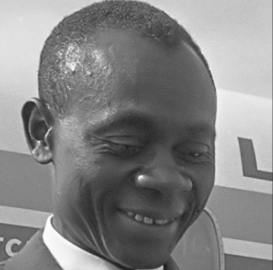
John Ngu Foncha : Had his people at heart
These leaders educated and organized their people during a period of growing political consciousness. They laid the foundation for the political and intellectual movements that would later push for autonomy and self-determination after independence.
Southern Cameroons’ pre-1961 history reflects a fusion of traditional authority, colonial education, and emerging nationalism, setting the stage for the region’s later struggle for federalism and, eventually, independence.
Important United Nations Resolutions:
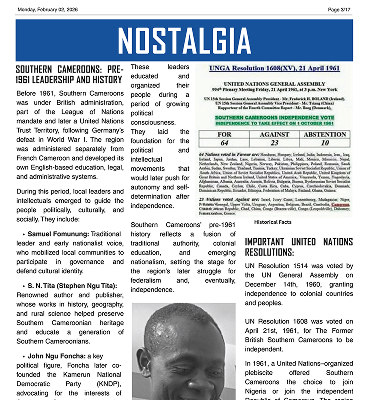
UN Resolution 1514 was voted by the UN General Assembly on December 14th, 1960, granting independence to colonial countries and peoples.
UN Resolution 1608 was voted on April 21st, 1961, for The Former British Southern Cameroons to be independent.
In 1961, a United Nations–organized plebiscite offered Southern Cameroons the choice to join Nigeria or join the independent Republic of Cameroun. The region voted to join the Republic of Cameroun, creating a federal structure.
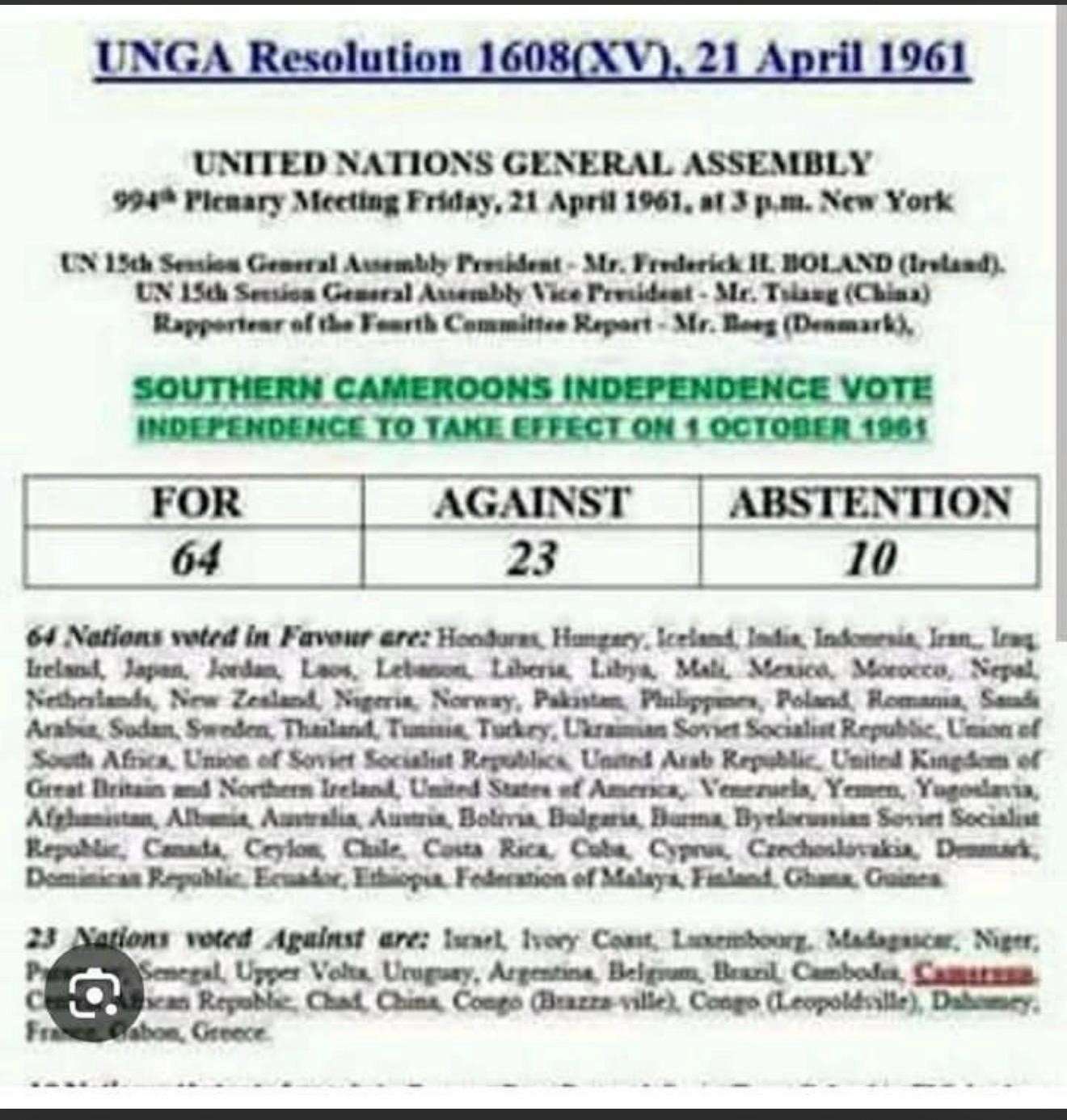
Historical facts
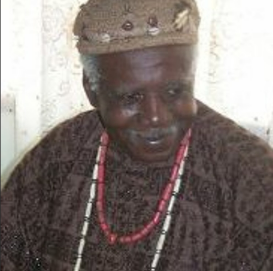
Venerated E.M.L Endeley
Southern Cameroons Leadership
E. M. L. Endeley (First Premier)
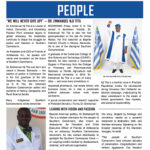
Dr. Emmanuel Mbela Lifafa Endeley was a pioneer politician in Southern Cameroons who emerged as a leader in the early 1950s. He served as Leader of Government Business when Southern Cameroons gained self‑government in 1954 and later became the first Premier of British Southern Cameroons in 1958. Endeley originally worked for more cooperation with Nigeria, reflecting early debates about the region’s future.
John Ngu Foncha (Premier and Prime Minister)
John Ngu Foncha was one of Southern Cameroons’ most influential leaders. In 1955 he founded the Kamerun National Democratic Party (KNDP) in response to differing visions for the territory’s future. In the 1959 elections, Foncha’s KNDP won and he became Premier of Southern Cameroons, succeeding Endeley. Foncha was a central figure in the debate leading up to the 1961 UN‑supervised plebiscite, where a majority voted to join the Republic of Cameroon instead of Nigeria. After reunification on October 1, 1961, he served as Prime Minister of the State of West Cameroon and Vice‑President of the Federal Republic of Cameroon.
Ngom Jua
In 1960 Augustin Ngom Jua rose as a prominent KNDP politician, playing a key role in the administration and federal governance structures, representing Southern Cameroons’ interests in West Cameroon.
After the 1961 – UN Plebiscite & Reunification Ngom Jua continued as a federal and regional leader, contributing to governance and administration in the newly federated state.
Mola Njoh Litumbe (Statesman)
Mola Njoh Litumbe was a prominent Southern Cameroonian intellectual and political leader active during the 1950s and 1960s, a pivotal period leading up to the 1961 plebiscite that determined the fate of the territory. As a lawyer, activist, and thinker, he played a critical role in advocating for the rights, autonomy, and self-determination of Southern Cameroons.
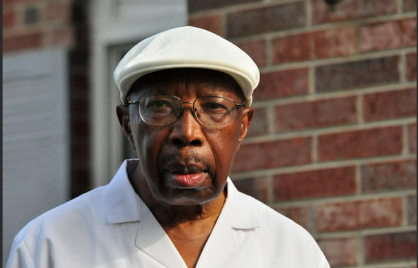
Mola Njoh Litumbe : Stood for Southern Cameroons independence till death
Litumbe was deeply involved in early political organizing, contributing to parties and councils that later influenced the creation of the Southern Cameroons National Council (SCNC) and the broader restoration movement. Mola Njoh Litumbe helped shape the philosophical and legal foundations of the struggle for Southern Cameroons’ independence, inspiring generations of activists who followed.
Other Influential Figures Leading Up to 1961
While not holding the top executive office, these leaders played important roles in shaping Southern Cameroons’ political identity before independence debates:
- Solomon Tandeng Muna: An early political activist who later became a significant leader in the federal era.
- Traditional and Intellectual Leaders: Figures like S. N. Tita (Stephen Ngu Tita) contributed to cultural and intellectual life, strengthening collective identity before political decisions on territory.
From self‑government in the 1950s to the plebiscite of 1961, Southern Cameroons’ leadership reflected competing visions for self‑rule, identity, and political future. Endeley represented a strand that initially looked toward integration with neighbouring Nigeria, while Foncha championed greater autonomy and eventual reunification with the Republic of Cameroun — a decision that transformed the region’s political trajectory.
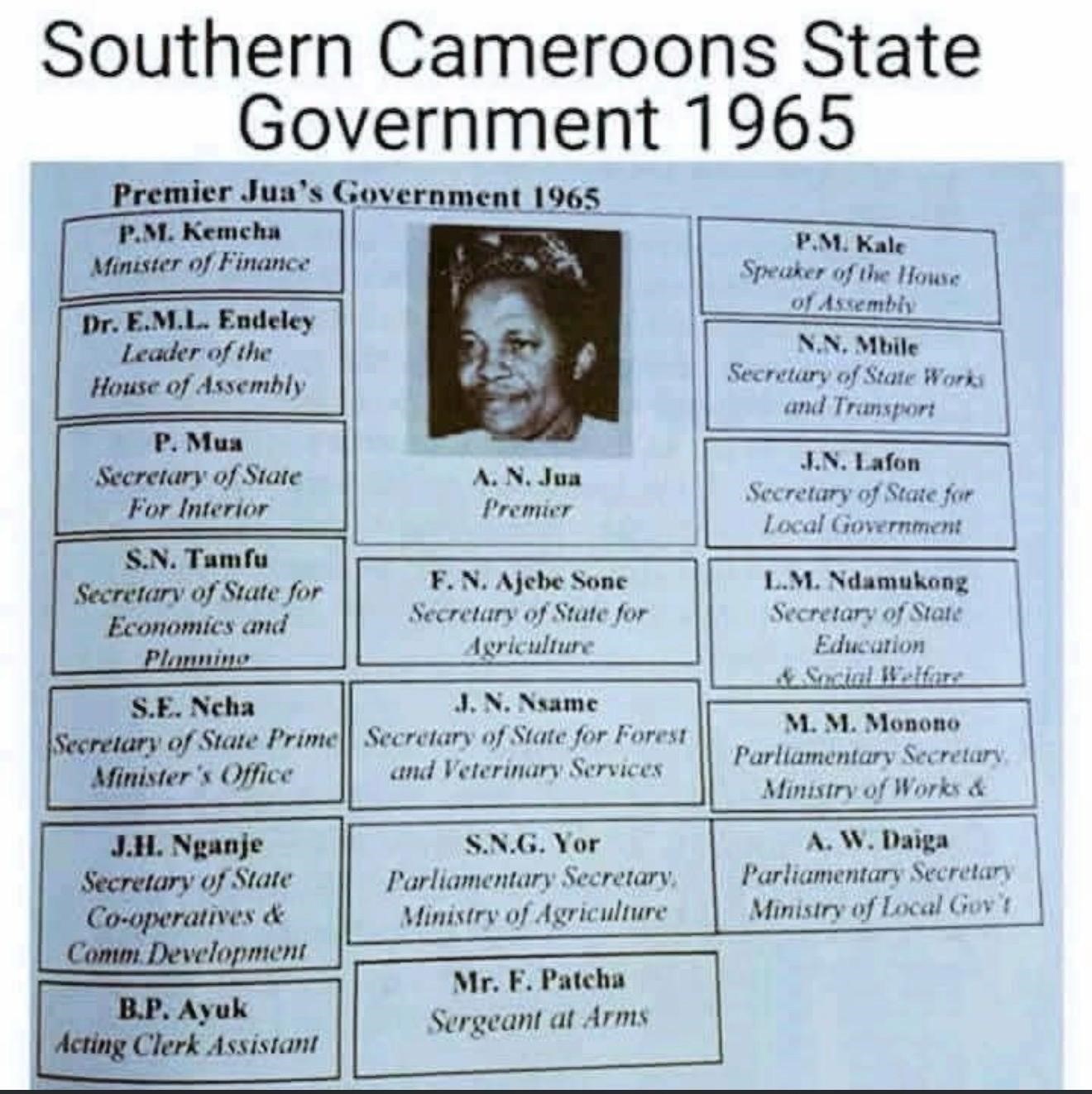
The then Southern Cameroons government
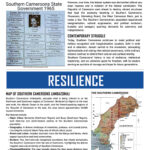
However, over time, the federal system was dismantled without any clear reasons and in violation of the federal constitution. The Republic of Cameroon went ahead to destroy vibrant structures that kept the economy booming in Southern Cameroons: Powercam, Marketing Board, the West Cameroon Bank, just to name a few. The Southern Cameroonian population experienced marginalization, cultural suppression, and political exclusion, brutality and savagery sparking demands for autonomy and independence.
Contemporary Struggle
Today, Southern Cameroons continues to resist political and military occupation and marginalization. Leaders, both in exile and in detention, remain central to the movement, advocating diplomatically and raising international awareness, while ordinary citizens continue to defend their cultural and political identity.
Southern Cameroons’ history is one of resilience, intellectual leadership, and an unbroken quest for freedom, with its leaders serving as symbols of courage and hope for future generations.