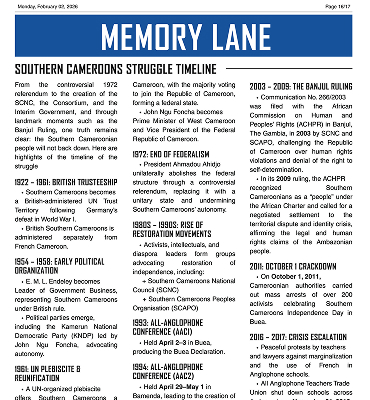

From the controversial 1972 referendum to the creation of the SCNC, the Consortium, and the Interim Government, and through landmark moments such as the Banjul Ruling, one truth remains clear: the Southern Cameroonian people will not back down. Here are highlights of the timeline of the struggle
1922 – 1961: British Trusteeship
- Southern Cameroons becomes a British-administered UN Trust Territory following Germany’s defeat in World War I.
- British Southern Cameroons is administered separately from French Cameroon.
1954 – 1958: Early Political Organization
- E. M. L. Endeley becomes Leader of Government Business, representing Southern Cameroons under British rule.
- Political parties emerge, including the Kamerun National Democratic Party (KNDP) led by John Ngu Foncha, advocating autonomy.
1961: UN Plebiscite & Reunification
- A UN-organized plebiscite offers Southern Cameroons a choice: join Nigeria or join the Republic Cameroon, with the majority voting to join the Republic of Cameroon, forming a federal state.
- John Ngu Foncha becomes Prime Minister of West Cameroon and Vice President of the Federal Republic of Cameroon.
1972: End of Federalism
- President Ahmadou Ahidjo unilaterally abolishes the federal structure through a controversial referendum, replacing it with a unitary state and undermining Southern Cameroons’ autonomy.
1980s – 1990s: Rise of Restoration Movements
- Activists, intellectuals, and diaspora leaders form groups advocating restoration of independence, including:
- Southern Cameroons National Council (SCNC)
- Southern Cameroons Peoples Organisation (SCAPO)
1993: All-Anglophone Conference (AAC1)
- Held April 2–3 in Buea, producing the Buea Declaration.
1994: All-Anglophone Conference (AAC2)
- Held April 29–May 1 in Bamenda, leading to the creation of the Southern Cameroons National Council (SCNC). The outcome was the Bamenda proclaimation.
2003 – 2009: The Banjul Ruling
- Communication No. 266/2003 was filed with the African Commission on Human and Peoples’ Rights (ACHPR) in Banjul, The Gambia, in 2003 by SCNC and SCAPO, challenging the Republic of Cameroon over human rights violations and denial of the right to self-determination.
- In its 2009 ruling, the ACHPR recognized Southern Cameroonians as a “people” under the African Charter and called for a negotiated settlement to the territorial dispute and identity crisis, affirming the legal and human rights claims of the Ambazonian people.
2011: October 1 Crackdown
- On October 1, 2011, Cameroonian authorities carried out mass arrests of over 200 activists celebrating Southern Cameroons Independence Day in Buea.
2016 – 2017: Crisis Escalation
- Peaceful protests by teachers and lawyers against marginalization and the use of French in Anglophone schools.
- All Anglophone Teachers Trade Union shut down schools across Ambazonia on November 21, 2016.
- The Cameroon Anglophone Civil Society Consortium (CACSC) was formed in late 2016, emerging from lawyers’ associations, teachers’ unions, and civil society groups.
On December 14, 2016
- Hon. Joseph Wirba delivered a decisive speech in the National Assembly denouncing the marginalisation of Cameroons.
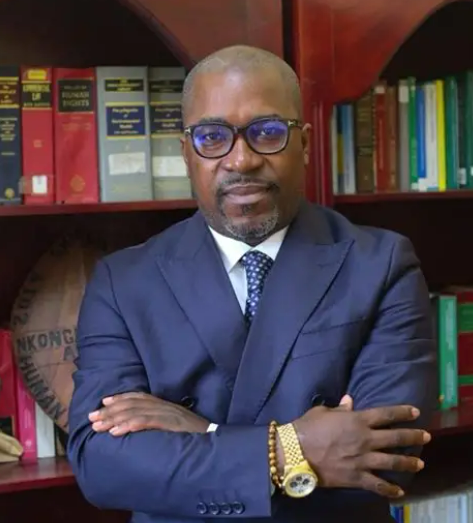
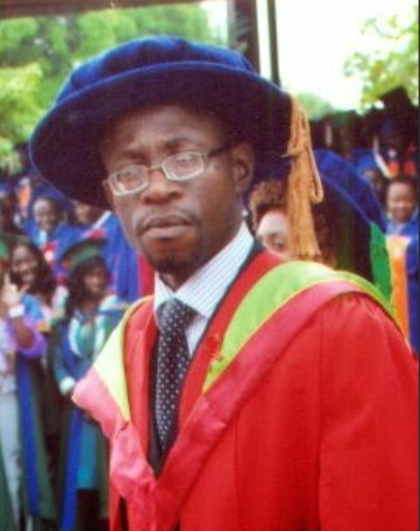
Bar Balla and Dr Fontem: Their abduction was a turning point
2017: Internet Shutdown and massive arrests
- On January 17, 2017, the government arrested Consortium leaders, Barrister Agbor Balla and Dr. Fontem Neba and shut down the internet in Southern Cameroons.
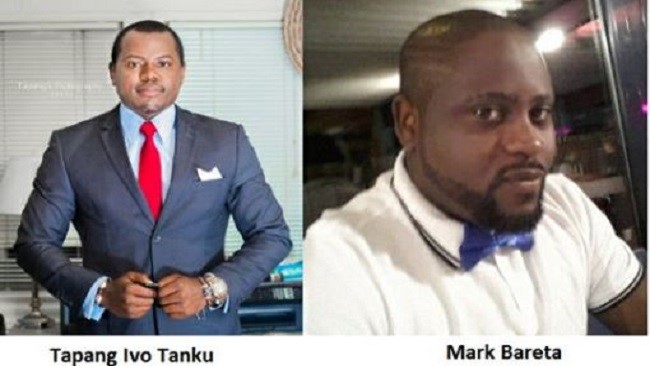
- After many leaders were detained or went into hiding, Mark Bareta (Belgium) and Tapang Ivo Tanku (USA) assumed leadership abroad, internationalizing the struggle.
- On September 22, 2017, peaceful protests were met with helicopter gunfire across Southern Cameroons.
February 23–26, 2017: Formation of SCACUF
- Southern Cameroons Ambazonia Consortium United Front (SCACUF) was formed in Nigeria to coordinate the independence movements.
October 1, 2017: Restoration of Independence
- Sisiku Julius Ayuk Tabe, President of the Interim Government, proclaimed the restoration of Ambazonian statehood.
November 30, 2017: Declaration of War
- President Paul Biya declared war on the people of former British Southern Cameroons, escalating the conflict.
2018: Abduction st the NERA 10
- Ten leaders of the Ambazonian movement, including Sisiku Julius Ayuk Tabe, were abducted from Nigeria and extradited to Cameroon. Meanwhile the Cameroon security and defence forces proceeded to burning down villages, got involved in targeted and extra judicial killings forcing many civilians to become refugees.
2019 - Swiss-Led Mediation Initiative
- Switzerland announces a facilitation initiative aimed at mediating dialogue between the Government of Cameroon and Ambazonian stakeholders.
- Widely welcomed by the diaspora and civil society, the process later stalled due to lack of substantive engagement by the Republic of Cameroon.
2022: Five Years after Declaration of Independence
- October 1, 2022, marked five years since the restoration of Ambazonian independence, commemorated across the diaspora amid heavy militarization at home.
2023-2024: Escalation of Transnational Repression
- Ambazonian activists report heightened surveillance, arrests, and intimidation of family members in Southern Cameroons linked to diaspora activism.
- Diaspora groups, human rights organizations, and international bodies continue to call for justice and peaceful resolution of crisis
2026: Legal Turning Point & Strategic Reassessment
- Supreme Court appeal hearings for the NERA 10 and other political prisoners become a focal point of both domestic and international advocacy.
- The year marks:
- Nearly 65 years since the 1961 plebiscite
- Nearly 9 years of open conflict