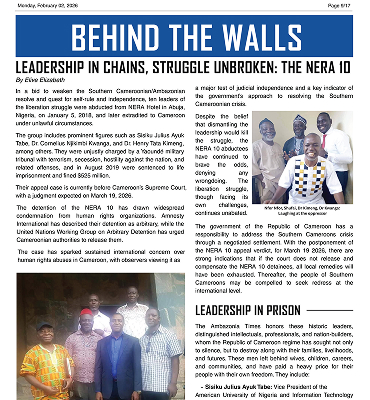

In a bid to weaken the Southern Cameroonian/Ambazonian resolve and quest for self-rule and independence, ten leaders of the liberation struggle were abducted from NERA Hotel in Abuja, Nigeria, on January 5, 2018, and later extradited to Cameroon under unlawful circumstances.
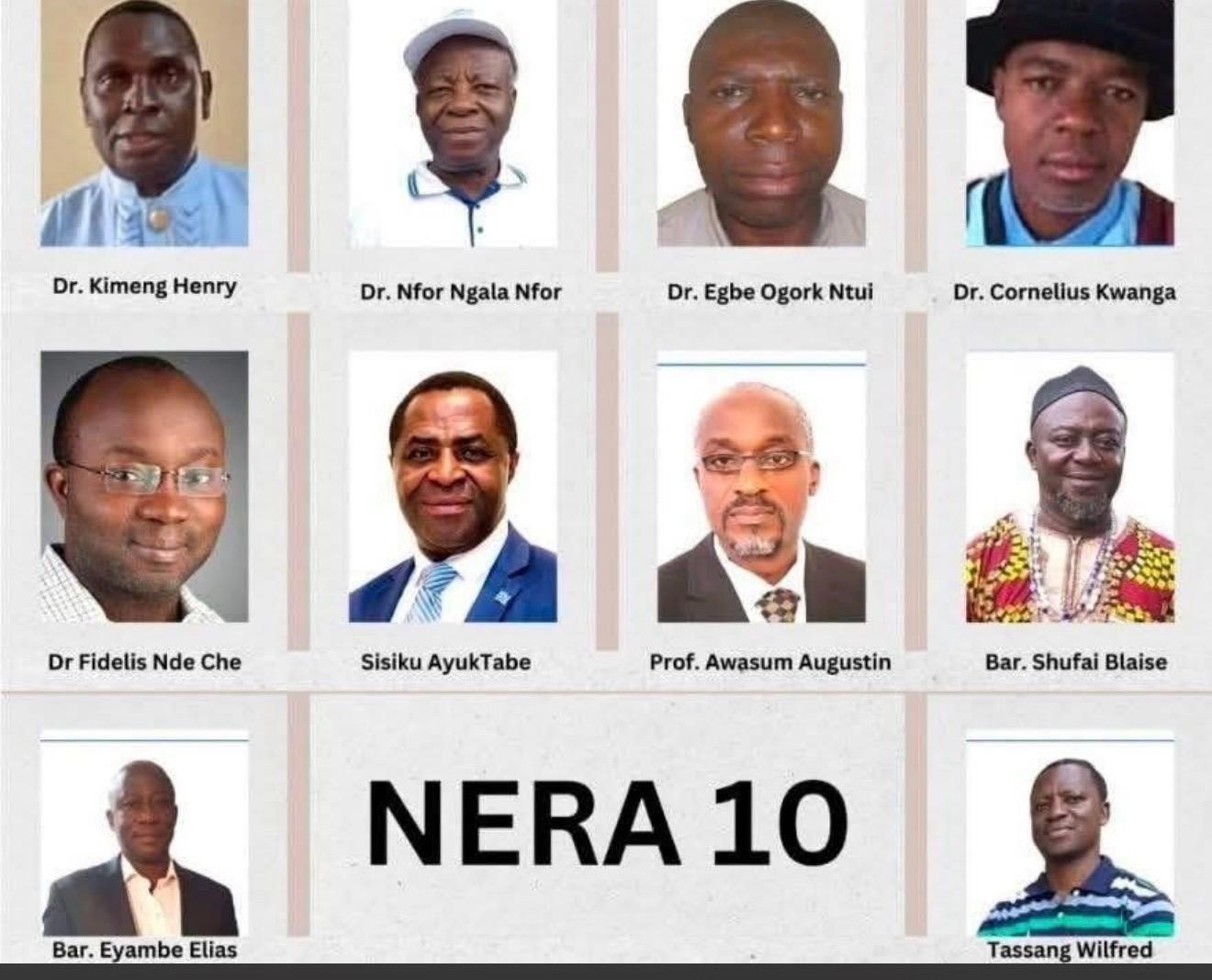
The group includes prominent figures such as Sisiku Julius Ayuk Tabe, Dr. Cornelius Njikimbi Kwanga, and Dr. Henry Tata Kimeng, among others. They were unjustly charged by a Yaoundé military tribunal with terrorism, secession, hostility against the nation, and related offenses, and in August 2019 were sentenced to life imprisonment and fined $525 million.
Their appeal case is currently before Cameroon’s Supreme Court, with a judgment expected on March 19, 2026.
The detention of the NERA 10 has drawn widespread condemnation from human rights organizations. Amnesty International has described their detention as arbitrary, while the United Nations Working Group on Arbitrary Detention has urged Cameroonian authorities to release them.
The case has sparked sustained international concern over human rights abuses in Cameroon, with observers viewing it as a major test of judicial independence and a key indicator of the government’s approach to resolving the Southern Cameroonian crisis.
Despite the belief that dismantling the leadership would kill the struggle, the NERA 10 abductees have continued to brave the odds, denying any wrongdoing. The liberation struggle, though facing its own challenges, continues unabated.
The government of the Republic of Cameroon has a responsibility to address the Southern Cameroons crisis through a negotiated settlement.

Nfor Nfor, Shufai,Dr Kimeng,Dr Kwanga: Laughing at the oppressor
With the postponement of the NERA 10 appeal verdict, for March 19 2026, there are strong indications that if the court does not release and compensate the NERA 10 detainees, all local remedies will have been exhausted. Thereafter, the people of Southern Cameroons may be compelled to seek redress at the international level.
Dr. Emmanuel Nji Tita: On duty to free his people
Leadership in Prison
The Ambazonia Times honors these historic leaders — distinguished intellectuals, professionals, and nation-builders — whom the Republic of Cameroon regime has sought not only to silence, but to destroy along with their families, livelihoods, and futures. These men left behind wives, children, careers, and communities, and have paid a heavy price for their people with their own freedom. They include:
- Sisiku Julius Ayuk Tabe: Vice President of the American University of Nigeria and Information Technology Expert. Married with children. He was Chairman of the Governing Council of the Southern Cameroons Consortium United Front (SCACUF) and later President of the exiled Interim Government of the Southern Cameroons/Ambazonia.
- Dr. Cornelius Njikimbi Kwanga: Economist, banker, and university senior lecturer. Married with children. He is a researcher and senior lecturer at Umaru Musa Yar’adua University (UMYU), Katsina.
- Professor Cheh Augustine Awasum: Professor of Surgery, consultant surgeon, and Fellow of the Nigerian College of Veterinary Surgeons.
- Dr. Nfor Ngala Nfor is a political scientist and author. He has championed the Anglophone cause for decades and has suffered several arrests and detentions.

Nera 10 : Key to deescalating the crisis
- Dr. Egbe Ogork: Civil engineer and associate professor of structural engineering.
- Dr. Fidelis Ndeh-Che: Electrical and electronic engineer, entrepreneur, and assistant professor.
- Mr. Tassang Wilfred Fombang: Senior trade unionist in the education sector and high school teacher. He is married with children.
- Barrister Shufai Blaise Sevidzem Berinyuy: Barrister-at-law, traditional ruler, human rights activist, and legal adviser to human rights NGOs.
- Barrister Eyambe Elias Ebai: Barrister-at-law and human rights advocate.
- Dr. Henry Tata Kimeng: Civil engineer, associate professor, and philanthropist.
Apart from the NERA 10, there are other Southern Cameroonians who form part of the leadership and have been targeted for their educative roles in the struggle. They were abducted in the wake of peaceful protests or arrested simply for speaking truth to power. They include:
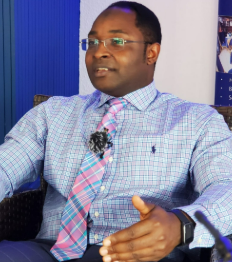
Abdul Karim Ali : Speaking without fear
Abdul Karim Ali: A grassroots mobilizer and outspoken advocate for Ambazonian self-determination, Abdul Karim Ali was arrested on August 11, 2022, in Bamenda, North-West Region, without a warrant, after denouncing torture by a Cameroonian military official. Married with children, he was charged under Cameroon’s anti-terrorism laws and has since been held in arbitrary detention. His continued imprisonment is widely viewed as an attempt to silence emerging youth leadership and intimidate young voices in the liberation struggle.
Mancho Bibixy: A radio host and activist, Mancho Bibixy is widely known as the “Voice of the Voiceless.” He was arrested in January 2017 after organizing peaceful protests and using his platform to speak out against marginalization and injustice. He was later sentenced to 15 years imprisonment by a military tribunal, becoming one of the earliest and most powerful symbols of political repression in the Anglophone crisis.

Mancho (in yellow t-shirt): Decrying Marginalisation.
Cells of Torture: The Untold Story of Ambazonian Prisoners of Conscience, APOC
By Elive Elizabeth
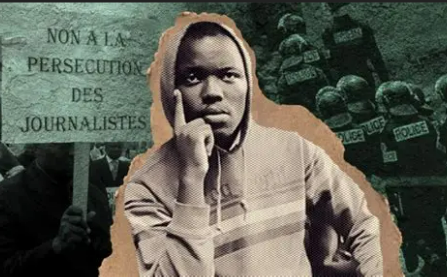
Journalist Tsi Conrad: Want his Voice Freed
Deep within Cameroon’s decaying penitentiary system, a silent humanitarian catastrophe unfolds. While armed conflict rages in Southern Cameroons (Ambazonia), another war is being waged inside government-controlled detention centers—a war for dignity, sanity, and survival, fought by the Ambazonia Prisoners of Conscience (APOCs).
For the thousands of APOCs currently incarcerated, the fight for freedom continues behind bars just as fiercely as it does on the streets. A system designed to break the spirit of Southern Cameroonians has resulted in mass incarceration, brutality, and systematic neglect.
Pipeline of Torture
Before reaching central prisons, Southern Cameroonian detainees endure what survivors call the “four lines of hell”, a systematic progression of brutality. Abducted and in some cases kidnapped by security forces, Southern Cameroonian detainees are taken to local military barracks or police stations—infamous sites for human rights violations.
Here, prisoners face incommunicado detention and torture: the “Balancois” (suspension by the arms or legs), beatings with electric cables, waterboarding, gunshots to the legs, machete lacerations, and even forced ingestion of excrement.

Patrick Ndangoh: Demanding Freedom
Political prisoner, frontline leader, and former Kondengui political prisoner, Dr. Ebenezer Akwanga has recounted how he was forced to eat his own excrement when he and Dr. Ayaba Cho were arrested and detained.


Doctors Akwaga and Choh Ayaba: Living witness to torture chambers
Notorious torture centres include Bafut Airport (Bamenda), Legion Headquarters (Bamenda), and SEMIL Buea, often referred to as black holes where detainees may disappear for months or years. Journalist, Samuel Wazizi, arrested in Buea, reportedly passed through these conditions before being transferred to Yaoundé, where he reportedly died under torture. His body was never returned to his family.
Mass Incarceration and Overcrowding
After these torture sites, detainees are transferred to central prisons such as Kondengui (Yaoundé), New Bell (Douala), Buea, and Bamenda Central Prisons.
The concentration of Southern Cameroonian detainees is striking and estimated as follows:
- Buea Central Prison: 2,000+
- Bamenda Central Prison: 1,800+
- Kondengui Central Prison: 200+
- Douala Central Prison: 200+
- Bafoussam: 100+
- Kumba: 50
Numbers are unknown in several other facilities, suggesting that over 5,200 APOCs may be held across the country. Kondengui, built for 1,000, now houses over 5,500 inmates.
Squalid Conditions and Neglect
Prison infrastructure is in decay. Sanitation is poor, water scarce, and medical care virtually non-existent. Disease, malnutrition, and neglect are rampant, especially for political prisoners.
- In Buea, APOCs are reportedly denied proper medical care and discriminated against.
- In Douala, at least ten APOCs are said to have died due to neglect.
- Kosovo, a notorious Kondengui ward, houses up to 100 men in a 3×4 meter cell, with only 15 beds. Inmates sleep on floors, in corridors, and under shelves, surviving on one meager meal per day.
- Female detainees face additional indignities: they share facilities with men, often sleep outdoors, and lack privacy, care for infants, or sanitation.
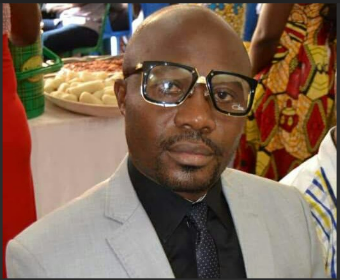
Penn Terence: One of the Prisoners Without Crime
Corruption and Exploitation
Prisons operate as miniature corrupt economies:
- Bed spaces are sold; the rich sleep in relative comfort while APOCs are left on wet floors.
- Mobile phones, drugs (Tramadol, marijuana, cocaine), and alcohol are smuggled for profit.
- Sexual violence, including coercion and abuse, is common due to desperation.
Resilience and Self-Organization
Despite these conditions, APOCs have organized internal leadership structures to maintain order, discourage drug use, and coordinate welfare. Known as APOCs Management Teams, these groups run communal kitchens, provide medical support, and maintain solidarity networks across prisons in Buea, Bamenda, Douala, Bafoussam, and Kondengui. They ensure that every Ambazonian inmate eats at least once a day and that political prisoners are shielded from exploitation, maintaining discipline amidst chaos.
A Call for Justice
The Ambazonian Prisoners of Conscience have been handed harsh sentences ranging from 10 years to life imprisonment.
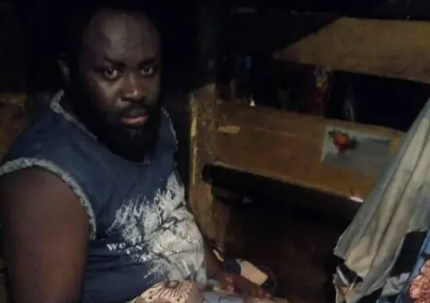
Felix Ngalim: Wants his day in court
A particularly striking case is that of Felix Ngalim, who has been awaiting trial for up to nine years without a final verdict, while Patrick Ndangoh has been detained for eight years.
The majority of those who have been sentenced—including the NERA 10—are currently awaiting the hearing of their appeals at the Republic of Cameroon’s Supreme Court.
The situation in Cameroon’s prisons is a ticking time bomb. APOCs are fighting for their political beliefs, survival, and humanity. While their resilience inspires, it cannot replace the government’s obligation to provide humane conditions.
The international community must look past the prison gates. The continued incarceration of these individuals in such squalid conditions violates international human rights standards, including the Nelson Mandela Rules. The world must not forget those suffering in silence—their endurance is a testament to their cause, and their suffering a stain on humanity.